In short
- Clear first screen: Say what you do, who for and where, without scrolling.
- Fast on mobile: Most visitors arrive on a phone, often on a patchy connection.
- Easy to contact: Phone, email or a short form on every page.
1. A first screen that explains what you do
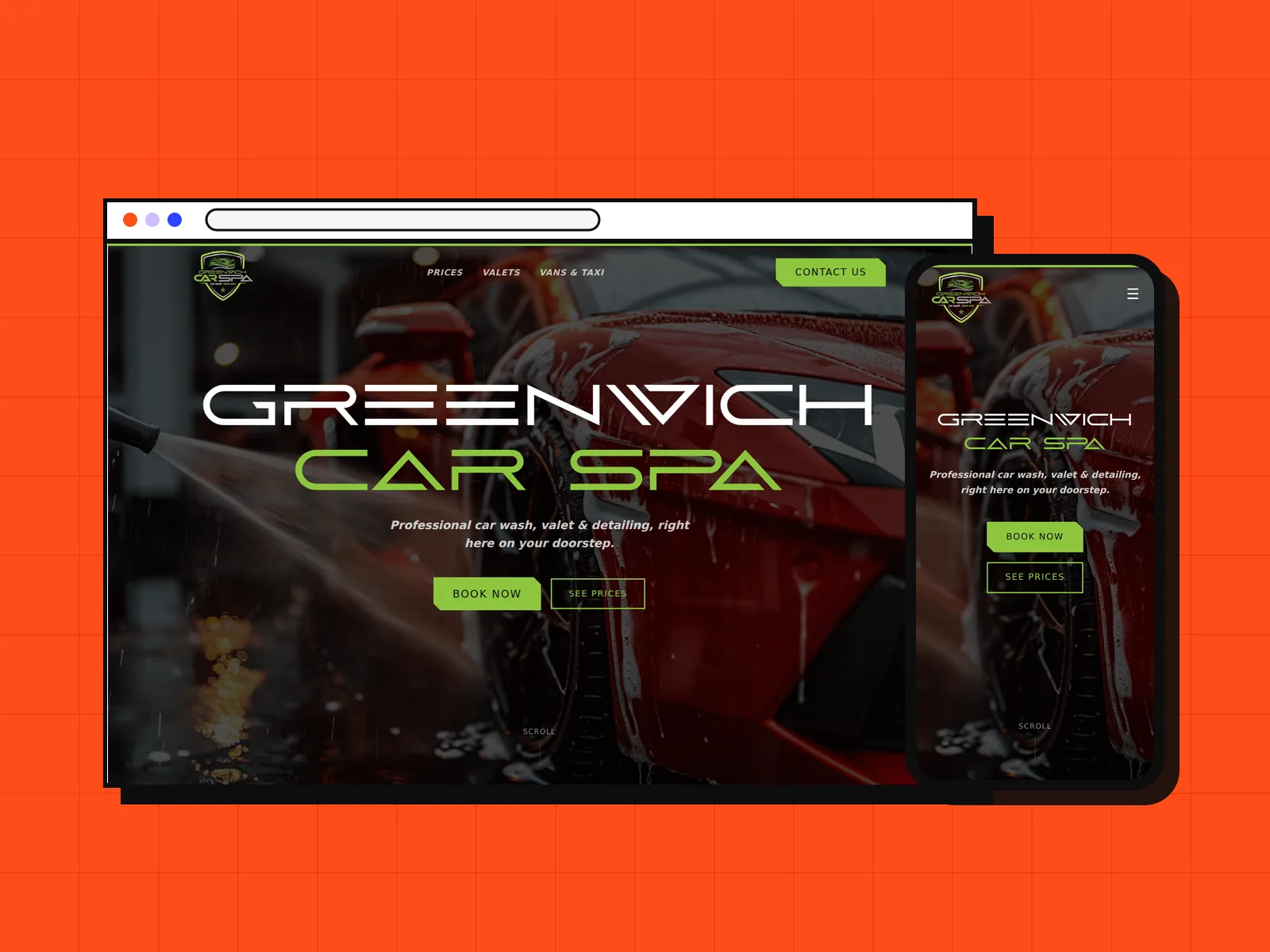
Visitors decide very quickly whether they are in the right place. The top of your home page should say what you do, who it is for and where you work, in plain language. Clever slogans can come later.
2. It works properly on a phone
Most people will find you on a phone. Check that text is readable without zooming, buttons are easy to tap and pages load quickly. Large, uncompressed images are the most common reason small-business sites feel slow.
3. An obvious way to get in touch
Put your phone number, email or a short contact form where people can find them on every page. Ask for as little information as you need: every extra field in a form is another reason for someone to give up.
4. Proof that you are real
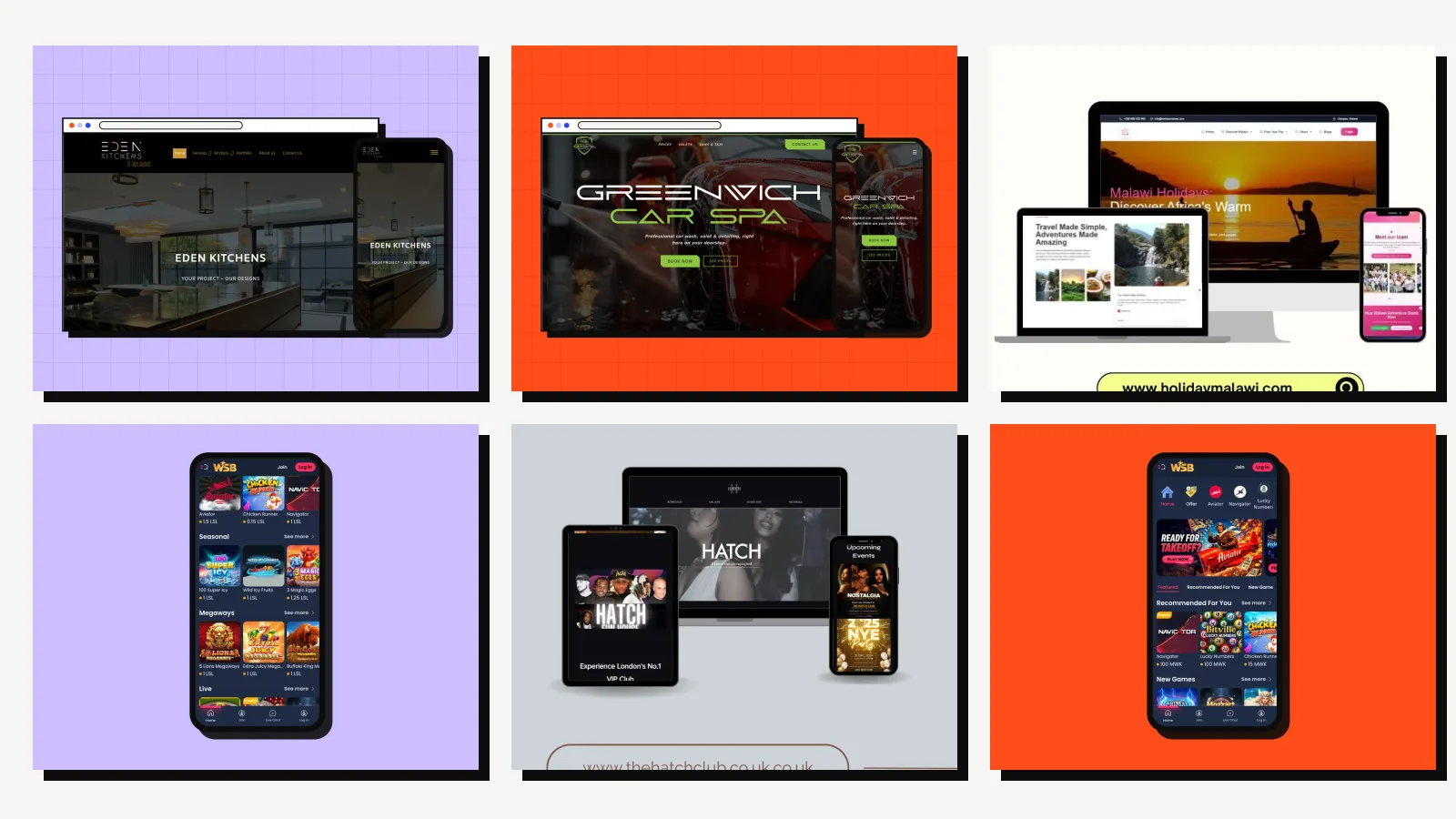
Show your work, your team, your location and genuine reviews from real customers. Specific examples of past projects are more convincing than general claims about quality.
Show, don't tell: one real project says more than a paragraph of promises.
5. The basics of being found
Each page should have a clear title and description, your business details should match your Google Business Profile, and the site should be secure (the padlock in the browser). These basics will not make you rank overnight, but leaving them out holds you back.
Keep it up to date
An old offer, a closed branch or a blog that stopped years ago makes visitors wonder whether you are still trading. A website you can update yourself, through a simple content management system, makes this much easier.
Need a new site or a rescue of an old one? See how we build websites.